Mistakes That Undermine Chimney Cleaning Work in Pittsburgh, PA
This article covers the most common mistakes that undermine chimney cleaning work in Pittsburgh, PA, and how to avoid each one. A cleaning can only do its job when the homeowner prepares the appliance, schedules at the right time, and checks the result. Small habits make a large difference in how safely a fireplace or stove runs through a long heating season.
Waiting Until Smoke Appears
Many homeowners schedule chimney cleaning only after smoke starts to drift back into the room. By that point, creosote may already have built up enough to restrict the flue and raise the risk of a fire. Regular cleaning, usually once a year for a chimney in regular use, keeps buildup in check before problems show up.
Smoke, odors, and soot in the firebox are warning signs. They are not a schedule. A chimney that needs attention between annual visits should be cleaned before the next heating season begins.
Burning Wet or Unseasoned Wood
Wood that has not dried properly burns cool and produces more creosote than seasoned wood. The smoke carries more tar particles up the flue, and those particles condense on the walls. A chimney cleaning removes the buildup, but the buildup returns quickly if the wood stays wet.
Season firewood for several months before burning it and store it off the ground under cover. A moisture meter is an inexpensive way to check whether a load is ready. Better fuel reduces the work every chimney cleaning has to undo.
Assuming Gas Appliances Need No Cleaning
Gas burns cleaner than wood, but a gas fireplace or insert still has a flue. Debris, bird and squirrel nests, and moisture damage can block venting over time. A blockage can push carbon monoxide back into the home, which is why a gas chimney should be inspected along with the cleaning.
Homeowners sometimes skip chimney cleaning for gas appliances because the fire looks clean. The flue is still part of the system, and it deserves the same attention as a wood-burning chimney.
Cleaning the Firebox Without the Flue
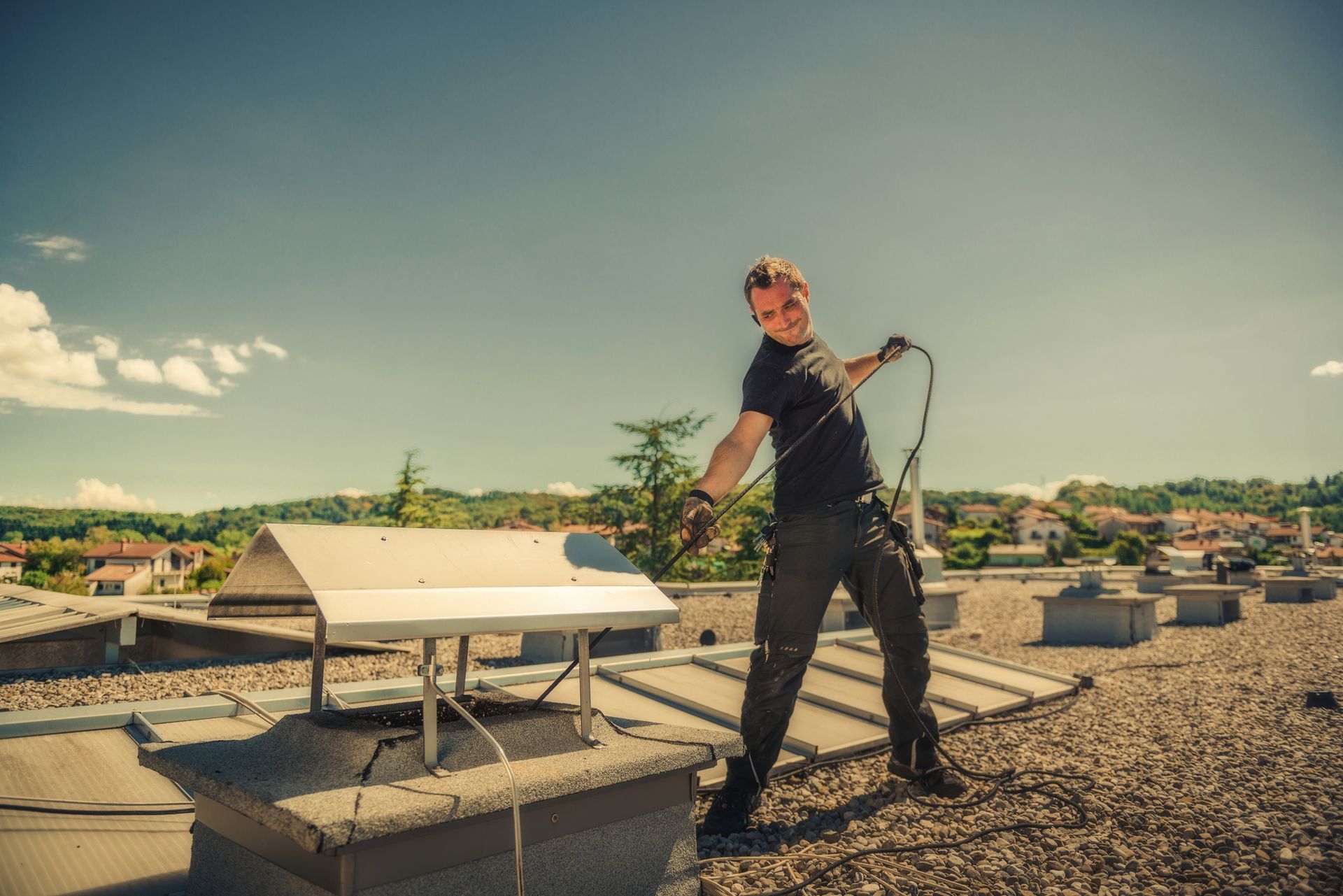
A quick sweep of the firebox looks like a finished job, but the hazard often sits higher in the chimney. Creosote, soot, and debris collect along the flue walls, where they are harder to see. A full chimney cleaning reaches the flue itself, using brushes matched to the flue's size and shape.
When you request service, ask whether the technician will clean the full flue and inspect the firebox, damper, and liner. A complete job is worth more than a fast one.
Skipping the Post-Cleaning Check
A cleaning often reveals problems that were hidden before, such as cracks in the flue tiles, a damaged damper, or a nest lodged near the top. A careful technician checks the flue after cleaning and reports anything that needs repair. Skipping this step leaves those issues in place.
Ask for written findings after every visit. A short report that lists the condition of the flue, the firebox, and the damper gives you a baseline for the next year.
Choosing a Provider Only on Price
Price matters, but a low quote is not the same as a complete job. Some services clean only the easy-to-reach sections, while others include a full flue cleaning, a check of the firebox and damper, and a written report. Comparing the scope of work matters more than comparing one number against another.
Verify credentials before booking. Certification from the Chimney Safety Institute of America and a state license are concrete, checkable signals that a provider takes the work seriously.
A clean flue also makes the next inspection more useful. A technician can compare the current condition against the last written report and spot changes early. Homeowners who keep those reports on file have a clear record of how the chimney has held up over the years.
Scheduling Only in the Busiest Weeks
Many homeowners wait until the first cold snap to book a visit, when schedules fill quickly and the fireplace is already in heavy use. Booking earlier in the year gives more flexibility on timing and leaves room for any repairs an inspection uncovers before winter.
Plan the visit for the time of year when you are least likely to need the fireplace. A clean flue before the first fire is the best starting point for a safe season.
Working With Soot Seekers Chimney Service
Soot Seekers Chimney Service, serving Pittsburgh, PA, and the surrounding counties since 1991, holds C.S.I.A. certification along with a Pennsylvania license. The team uses a dustless vacuum system and inspects the firebox, damper, and flue as part of each cleaning. Customers in Allegheny County can call (412) 279-2074, and customers in Beaver County can call (724) 847-1915. To schedule a visit or ask a question about your chimney, contact the team, or review the chimney cleaning page for details on what each visit includes.